
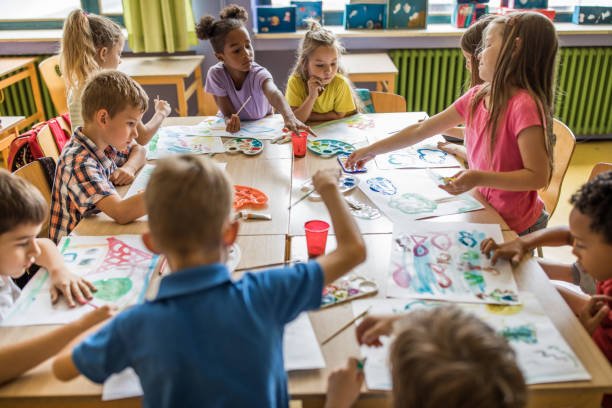
This creative design workshop introduces children in Primary Schools and 1st and 2nd Year Secondary Schools to hands-on creative activities that build focus, confidence, and problem-solving skills. Through guided creative design tasks, pupils explore making, experimenting, and working together in a supportive environment. The workshop encourages curiosity, creativity, and participation while developing skills that support learning across the curriculum. Benefits of these Sessions Creative sessions give students a safe outlet to express emotions they may not yet have the vocabulary for. Visual arts especially structured, hands-on activities like painting or resin work reduce stress hormones and support emotional regulation. This can relieve anxiety, frustration, and academic pressure. Working with creative designers exposes students to a selection of techniques and encourages them to create polished, meaningful work. Finishing a tangible piece (a resin keychain, stencil mural, or painted canvas) builds confidence, reinforces a sense of capability, and supports positive self-identity. Creative designers bring industry-level skills not typically available in standard art classes. Students learn contemporary methods, new materials, and creative problem-solving approaches. This broadens their artistic horizons and keeps learning exciting, modern, and relevant. Activities like resin pouring, pattern stencilling, or slow-build layering require concentration and presence. These processes naturally encourage a calm, meditative state. Schools gain an alternative path to mindfulness that feels engaging rather than instructional. Visiting designers often run workshops that promote teamwork, collaborative murals, group resin projects, or shared stencil walls. Students practice cooperation, communication, and mutual support. This can be particularly beneficial for shy or socially anxious children, giving them structured ways to interact. Meeting real creative professionals introduces students to potential future careers in design, fabrication, mural work, digital art, product design, architecture, and more. For older students, resin art and stencil design can spark interest in creative industries they may never have considered. When schools bring in creative designers, it shows they value innovation, emotional wellbeing, and diverse forms of intelligence. This fosters a culture where imagination and individuality are celebrated. The physical outcomes such as murals, installations, resin pieces also beautify the environment, boosting student pride and belonging. Bringing creative designers into schools is not just “extra art.” It is a mental-health-supportive, skill-building, community-enhancing approach to student development. These sessions offer structured emotional expression, stress reduction, confidence building, industry-relevant skills, and a more positive school culture.
Listing Details
1. Enhances Emotional Expression & Stress Relief
2. Boosts Self-Esteem Through Mastery and Achievement
3. Provides Access to Expertise Beyond the Curriculum
4. Encourages Mindfulness and Improves Focus
5. Supports Social Connection and Collaboration
6. Expands Career Awareness & Inspires Future Pathways
7. Creates a Positive, Inclusive School Culture
In summary
Contacts
Gallery
There are no reviews yet.
Review
Write a ReviewLeave a Review