
PROCUREMENT HUB
Keeping on top of school premises compliance is easier when you have a simple calendar, clear responsibilities and evidence stored in one place. Use the checklist and timeline below to plan statutory checks, brief contractors, prioritise remedial works and keep records organised for audits and inspections.
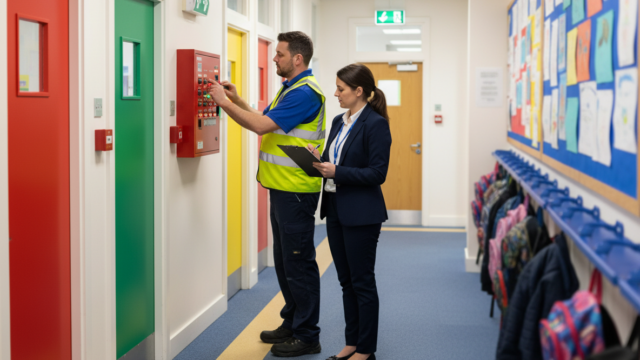
Use this timeline to schedule statutory checks, manage site access and stay on top of compliance actions across the year.
Confirm responsibilities, gather existing certificates and reports, and list what’s missing.
Prioritise high-risk areas first (fire, asbestos, electrics). Book inspections/surveys and agree access arrangements.
Complete remedial works, file certificates, update your action log and communicate any changes to staff.
Run monthly/termly checks, schedule annual servicing, and do a termly “compliance calendar” review.
Use Incensu to shortlist suppliers who understand school sites, health and safety, and premises compliance. Browse categories below, compare profiles, and contact suppliers directly.
Use these practical guides to plan statutory checks, brief contractors and keep compliance on track.
Build a simple compliance calendar, assign owners, and keep evidence organised—without drowning in spreadsheets.
What to check, how often, what to evidence, and how to brief contractors for a smooth, audit-ready approach.
A practical overview of the asbestos register, reinspection planning, contractor controls and record-keeping.
Understand EICRs and PAT, plan inspections, manage remedials and keep the right paperwork in place.
Quick answers to common questions schools and trusts ask about premises compliance and statutory checks.