
This guide is part of our Summer Works in Schools hub. For the full timeline and procurement checklist, visit https://incensu.co.uk/articles/summer-works-in-schools-planning-procurement-hub/
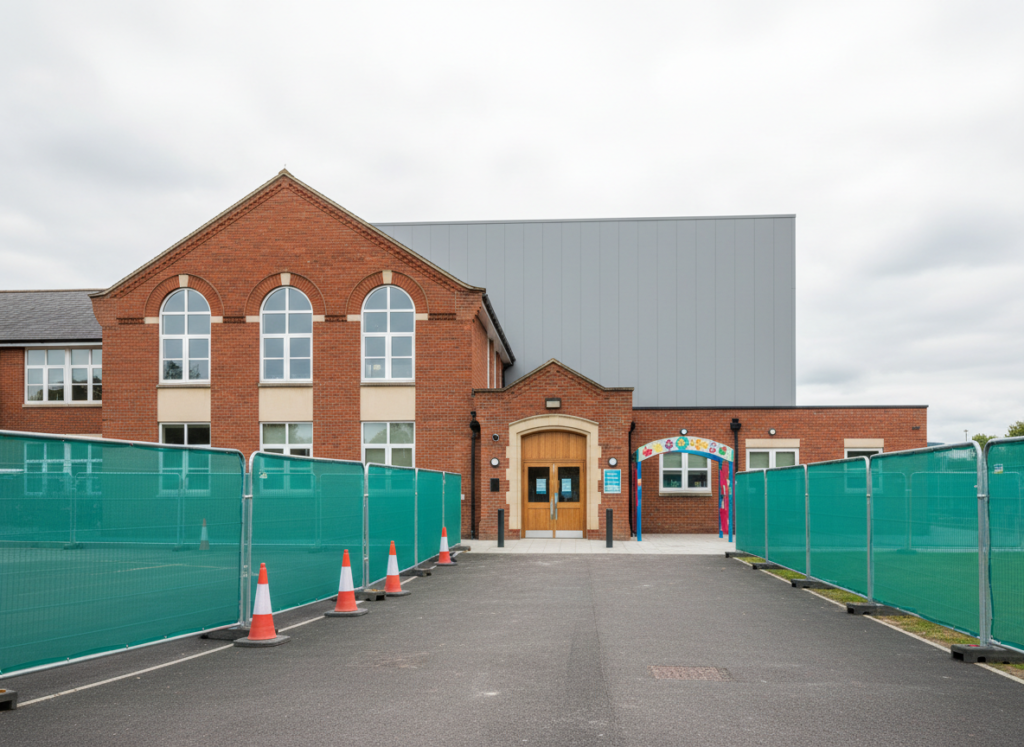
School building works are rarely just a construction project. They affect safeguarding, learning, exams, access routes, cleaning, catering, and the day-to-day confidence of staff and parents. Here’s how to minimise disruption during school building works.
The good news: disruption is not just something you have to accept. With a simple plan, clear boundaries, and the right handover process, you can keep the school running safely and avoid the most common causes of delays and complaints.
This guide gives you a practical approach you can use whether you are doing a small refurbishment, a roof repair, a ventilation upgrade, or a larger summer programme.
Step 1: Start with a disruption risk assessment (not a long document)
You do not need a huge report. You need a clear view of what could interrupt learning or create safeguarding risk.
Create a one page disruption risk list covering:
- Noise (teaching, exams, SEND spaces)
- Dust and air quality
- Access routes and pinch points
- Toilets, water, power outages
- Fire routes and emergency access
- Deliveries, parking and site traffic
- Security and safeguarding boundaries
- Out of hours working and alarms
Practical tip: walk the route pupils take from gate to classroom and mark any areas where contractors could cross that route.
Step 2: Define the boundaries (the single biggest disruption reducer)
Most disruption happens when boundaries are unclear.
Agree and document:
- Contractor access point (separate gate or entrance where possible)
- Segregated routes (how contractors move materials without crossing pupil routes)
- Working zones (what is inside and outside the work area)
- Welfare facilities (where contractors take breaks and store tools)
- Storage and laydown areas (so materials do not end up in corridors)
If you are using temporary fencing or barriers, confirm how they will be checked daily and who is responsible.
Step 3: Safeguarding essentials to include in your contractor brief
Safeguarding is not a box tick. It needs to be built into the plan.
Include these in your brief and pre start meeting:
- Site induction requirements and sign in and sign out process
- Identification and visitor badges
- Rules for photography and mobile phone use
- Working hours and no go times (arrival, break, dismissal)
- Expectations for language and behaviour
- How staff report concerns
For general safeguarding expectations in education settings, the DfE guidance collection is here: https://www.gov.uk/government/collections/keeping-children-safe-in-education
Step 4: Plan for noise, dust and air quality (so classrooms stay usable)
Even small works can create big disruption if noise and dust are unmanaged.
Ask suppliers to state:
- Noisiest tasks and when they will happen
- Dust control measures (screening, extraction, cleaning)
- How they will protect adjacent rooms and corridors
- What happens if unexpected asbestos is found (process and escalation)
If ventilation is part of your programme, you may also want to reference the UK Government guidance on indoor air quality: https://www.gov.uk/guidance/ventilation-to-improve-indoor-air-quality
Step 5: Build a simple communications plan (staff, parents, and pupils)
A calm, predictable message reduces complaints and helps staff plan.
Minimum comms plan:
- One staff briefing note (what is happening, where, when, who to contact)
- One parent update (what to expect, how safety is managed)
- A simple on site notice (contractor access, boundaries, emergency contacts)
Keep it factual and avoid over promising. If there is any chance of programme change, say how updates will be shared.
Step 6: Programme the works around the school calendar
Disruption is often a timing problem.
When planning, check:
- Exam periods and controlled assessment windows
- Transition days and open evenings
- INSET days (useful for noisy works)
- Summer holiday access dates (handover, cleaning, setup)
If you are doing multiple projects, create a mini programme map showing which areas are impacted each week.
Step 7: Use a practical handover checklist (so issues do not land in week one)
The first week back is when small unfinished items become big problems.
Ask for a handover pack that includes:
- Completion statement and snag list
- Warranties and certificates
- O and M manuals (operating and maintenance)
- Commissioning evidence (where relevant)
- Training notes for site team (controls, shut-offs, maintenance)
- Aftercare contact and response times
Hold back a small retention or final payment until critical snagging items are closed.
Procurement checks: how to choose a supplier who will not disrupt your school
When comparing quotes, look beyond price.
Ask:
- Who is the site manager and how often will they be on site?
- What is their safeguarding approach in schools?
- How will they keep routes segregated and secure?
- What is their plan for deliveries and waste removal?
- How will they manage noise and dust day to day?
- What is their escalation process if the programme slips?
To start your shortlist, browse trusted education suppliers on Incensu:
- Browse all categories: https://incensu.co.uk/education-supplier-categories/
- More guidance and checklists: https://incensu.co.uk/articles/
FAQs
What should we do if the programme slips during the works?
Agree an escalation route in advance. Ask for a revised programme, confirm what is changing, and prioritise spaces needed for reopening. Put changes in writing and update staff and parents with clear next steps.
Should we do works in term time or the holidays?
Where possible, disruptive works are best planned for holidays. If term time works are unavoidable, clear boundaries, noise planning, and communications become even more important.
What is the quickest way to reduce disruption?
Segregate routes and working zones, then communicate them clearly. Most day-to-day disruption comes from unclear boundaries and unexpected changes.
What to do next
Create a one-page disruption plan covering boundaries, safeguarding, and your communications approach. Then include those requirements in your RFQ so suppliers price and programme the work properly.
Back to the Summer Works hub
For the full summer works timeline, procurement checklist, and all guides in this series, visit: https://incensu.co.uk/articles/summer-works-in-schools-planning-procurement-hub/
More guides in this hub
- Summer Works in Schools: Planning and Procurement Hub: Summer Works in Schools: Timeline, Procurement Checklist & Trusted Suppliers | Incensu
- Modular buildings for schools: planning lead times Modular Buildings for Schools: Planning Lead Times & Procurement Checklist | Incensu
- Ventilation and air quality in schools: what to specify Ventilation & air quality in schools: what to specify – incensu.co.uk
- Playground projects for schools: budgeting and safety standards Playground projects for schools: budgeting & safety standards – incensu.co.uk