
This guide is part of our Summer Works in Schools hub. For the full timeline and procurement checklist, visit https://incensu.co.uk/articles/summer-works-in-schools-planning-procurement-hub/
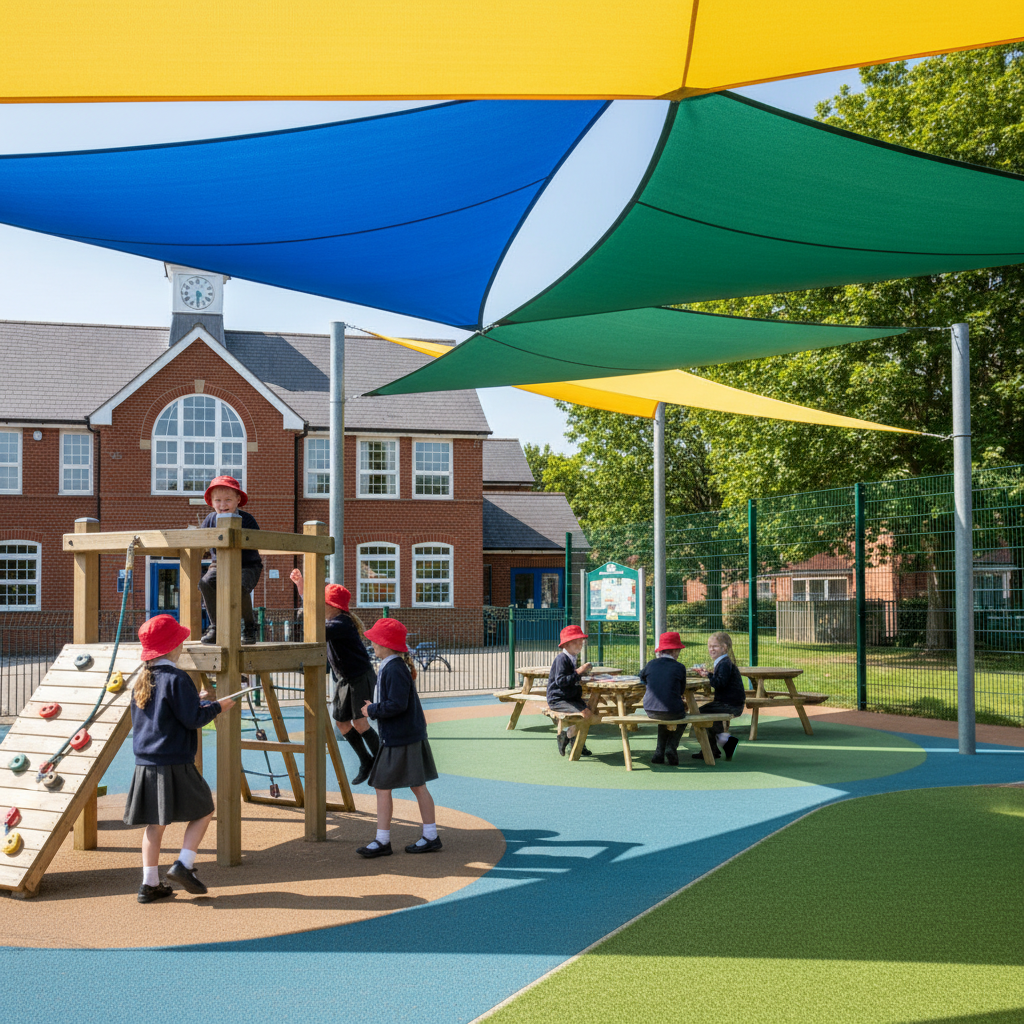
A playground upgrade can transform breaktimes, support behaviour and wellbeing, and make your outdoor space work harder for PE and learning. But it’s also one of those projects where small decisions (surface type, fall heights, drainage, access, warranties) can have a big impact on cost and long-term maintenance.
This guide gives you a practical way to plan the budget, understand the key safety considerations, and procure the right supplier with confidence.
Step 1: Define the outcomes (not just the equipment)
Before you look at catalogues, get clear on what the playground needs to achieve. For example:
- More active play for a specific age range
- Inclusive access (SEND-friendly routes, equipment and zones)
- Better supervision sightlines and safer circulation
- A quieter zone for wellbeing and regulation
- Improved drainage and fewer muddy areas
Practical tip: do a quick site walk at breaktime with a clipboard. Note pinch points, popular areas, and where incidents tend to happen.
Step 2: Build a realistic budget (what costs sit around the headline number)
Playground quotes can look very different depending on what’s included. To avoid surprises, separate your budget into clear buckets.
A) Design and surveys
Depending on the site, you may need:
- A measured survey (especially if levels/drainage are tricky)
- Ground investigation (where excavation is significant)
- A concept design and layout options
B) Groundworks and enabling works
Often the biggest cost driver. This can include:
- Excavation and spoil removal
- Levelling and retaining edges
- Drainage improvements
- New kerbs, edging, steps or ramps
C) Surfacing
Surfacing affects safety, maintenance and whole-life cost. Common options include:
- Wetpour rubber
- Rubber tiles
- Artificial grass (with shockpad where required)
- Resin-bound gravel (typically for paths/zones rather than high-impact areas)
Ask suppliers to specify what’s included (base build-up, depth, edging, drainage assumptions).
D) Equipment and installation
Make sure quotes clarify:
- Installation method and fixings
- Foundations requirements
- Any crane/plant needs and access
E) Line marking, fencing and extras
These are easy to forget:
- Sports/PE line marking
- Fencing or gates for safeguarding and security
- Seating, shade, bins, bike/scooter parking
- Storage for play equipment
F) Maintenance and warranties
A cheaper upfront option can cost more over time. Ask for:
- Warranty periods (surfacing and equipment separately)
- Maintenance requirements and recommended inspections
- Expected lifespan and what voids the warranty
Step 3: Safety standards and compliance (what to ask without getting too technical)
You don’t need to memorise every standard, but you do need suppliers to show they’re designing and installing to the right requirements.
A) Product and installation standards
Ask suppliers to confirm:
- Which UK/EU playground standards their equipment is designed to meet
- Whether installation is carried out to the relevant standard
- What certification/inspection evidence you’ll receive at handover
For a high-level overview of playground safety and managing risk, the HSE provides guidance here: https://www.hse.gov.uk/entertainment/childrens-play-areas.htm
B) Critical fall height and impact attenuation
This is where surfacing and equipment choices meet. Ask:
- The critical fall height for each piece of equipment
- How surfacing specification is matched to that fall height
- What assumptions are being made about the base and drainage
C) Supervision, safeguarding and site security
Design can reduce incidents. Consider:
- Clear sightlines for staff
- Avoiding hidden corners and tight pinch points
- Secure boundaries and controlled access
- Safe separation between different age groups (where needed)
Step 4: Procurement checklist (how to compare quotes like-for-like)
When you request quotes, include a simple brief so suppliers price the same thing.
Include:
- A site plan or photos (even if informal)
- Age range and approximate pupil numbers using the space
- Must-haves (e.g., inclusive equipment, quiet zone, shade)
- Constraints (access, safeguarding boundaries, working hours)
- Required completion date (summer holiday window)
- What you want included in the quote (groundworks, surfacing, equipment, disposal, making good)
Then compare suppliers using these checks:
- School experience: examples of similar projects (not just parks)
- Design approach: do they provide layout options and explain trade-offs?
- Groundworks assumptions: what have they included or excluded?
- Surfacing spec: depth, base build-up, edging, drainage assumptions
- Handover pack: warranties, inspection/certification, maintenance guidance
- Aftercare: snagging process and response times once pupils return
To start your shortlist, browse trusted education suppliers on Incensu’s National Register of Education Suppliers:
- Find trusted playground suppliers Playgrounds – incensu.co.uk
- Browse all categories: Education Supplier Categories | School Suppliers Directory | Incensu
- More guidance and checklists: Education Supplier Insights & Procurement Advice | Incensu Articles
If you have a dedicated Incensu category page for playground equipment or outdoor learning, link to it here as the primary category link.
Step 5: Programme it for summer works (and reduce disruption)
Playground projects are ideal for the holidays, but lead times can still catch you out.
A simple timeline:
- Spring term: define outcomes, agree budget, shortlist suppliers
- Early summer term: surveys, concept design, confirm surfacing and equipment
- Late summer term: order equipment/materials, confirm access and safeguarding plan
- Summer holidays: groundworks, install, surfacing cure time, inspection and handover
Build in time for surfacing cure/drying and post-install inspection before pupils return.
Common pitfalls (and how to avoid them)
Pitfall 1: Underestimating groundworks
Fix: ask suppliers to spell out what’s included in groundworks and what could change after excavation.
Pitfall 2: Choosing surfacing on looks alone
Fix: compare whole-life cost, maintenance, drainage performance and warranty terms.
Pitfall 3: Not planning for inclusive access early
Fix: include inclusive routes and equipment in the brief from day one.
Pitfall 4: Rushing handover
Fix: require inspection/certification evidence and a simple maintenance plan before final payment.
FAQs
Do we need an independent playground inspection after installation?
Many schools choose to have an independent post-install inspection for reassurance, especially for larger projects. Ask your supplier what inspection evidence is included and what they recommend.
How long does playground surfacing take to cure?
It depends on the product and weather. Ask your supplier for realistic cure times and what conditions could delay handover.
Can we phase a playground project?
Yes. If budget is tight, you can phase by zone (e.g., surfacing and circulation first, then equipment) as long as the design still works safely.
What to do next
Write a one-page brief with your outcomes, age range, and must-haves, then request like-for-like quotes that include groundworks assumptions, surfacing specification, and handover evidence.
Back to the Summer Works hub
For the full summer works timeline, procurement checklist, and all guides in this series, visit: https://incensu.co.uk/articles/summer-works-in-schools-planning-procurement-hub/
More guides in this hub
- Summer Works in Schools: Planning & Procurement Hub: Summer Works in Schools: Timeline, Procurement Checklist & Trusted Suppliers | Incensu
- Modular buildings for schools: planning lead times Modular Buildings for Schools: Planning Lead Times & Procurement Checklist | Incensu
- Ventilation & air quality in schools: what to specify Ventilation & air quality in schools: what to specify – incensu.co.uk
- How to minimise disruption during school building works How to Minimise Disruption During School Building Works: Practical Plan + Checklist | Incensu